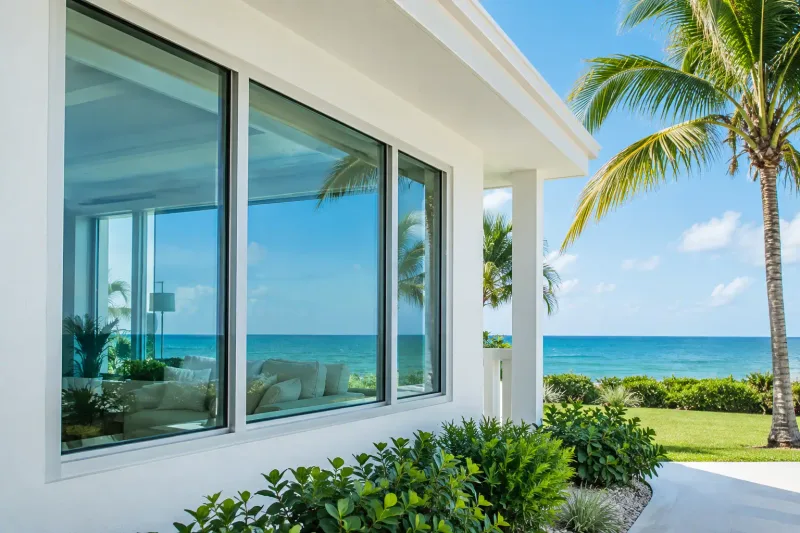
CGI Windows pair Miami-Dade-approved impact protection with refined design, helping South Florida properties prepare for storms, noise, and intrusion risk.
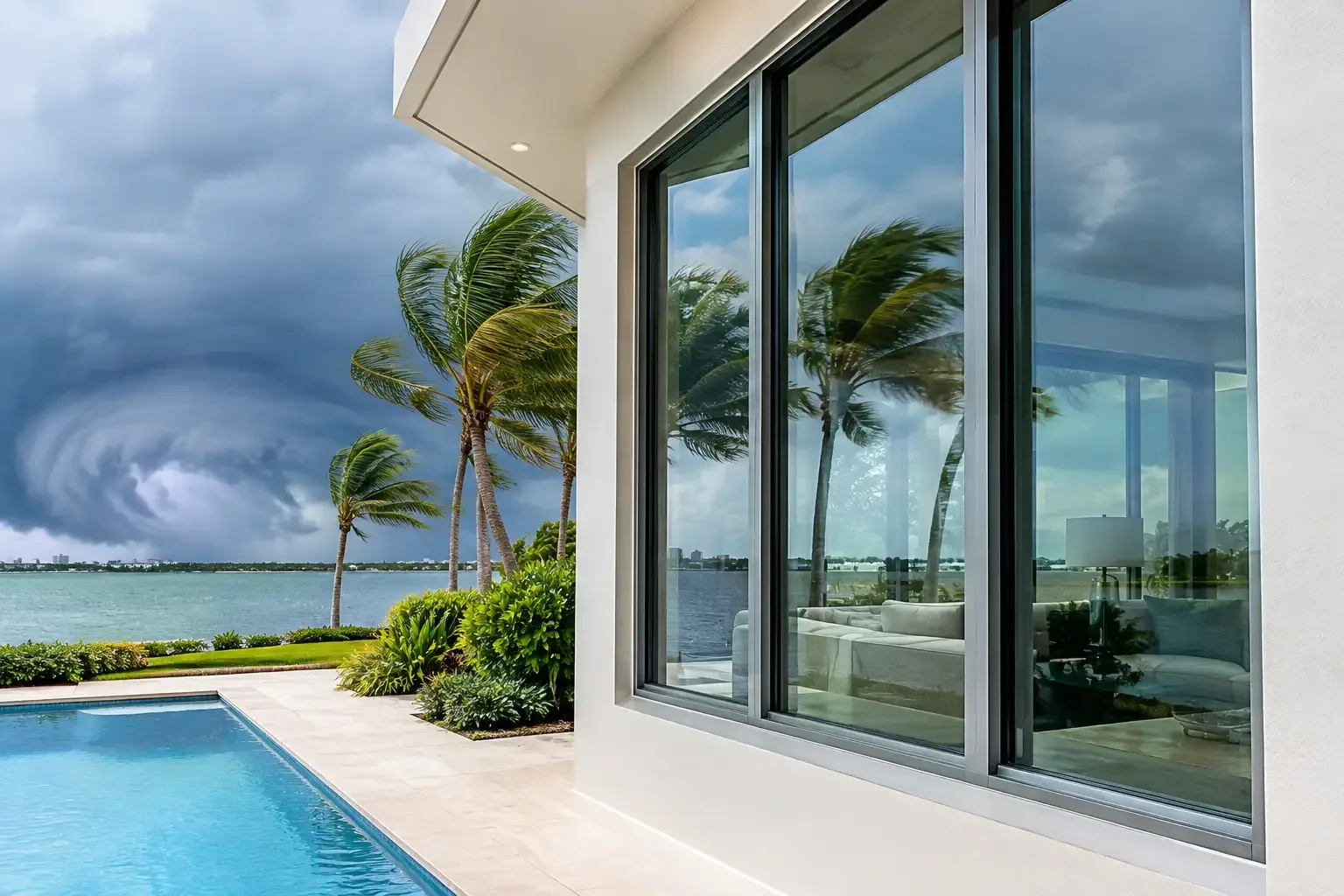
A window replacement decision in South Florida has to account for more than appearance. When a storm is approaching, the glass and frame protecting your home become part of its defensive envelope. CGI Windows are designed for that responsibility, combining impact-rated glazing, reinforced frames, and architectural options that help property owners prepare for hurricanes without living behind temporary shutters or panels.
For homeowners and commercial property owners, the right product is only part of the equation. The window must be properly specified for the opening, approved for local requirements, and installed to perform as intended. That is where a carefully managed impact-window project delivers lasting value.
What Sets CGI Windows Apart
CGI is a respected manufacturer of impact-resistant windows and doors built for demanding coastal conditions. Its products are widely selected in South Florida because they pair hurricane protection with a broad range of styles, frame finishes, glass options, and configurations. This matters when a property needs serious protection without compromising its architecture.
Impact windows are not simply standard windows with thicker glass. Their laminated glass construction uses interlayers that help hold the pane together when struck by windborne debris. The frame, glazing system, hardware, and anchoring requirements are engineered and tested as a complete assembly. If debris breaks the exterior glass layer, the laminated interlayer can help keep the opening protected against wind, rain, and pressure changes that can cause far greater damage inside a building.
Many CGI product lines carry approvals for use in high-velocity hurricane zones, including Miami-Dade County applications where applicable. However, approval is product- and configuration-specific. Glass type, dimensions, mullions, design pressure, and installation method all affect whether a particular unit is suitable for a given opening. A professional assessment should always confirm the exact requirements rather than relying on a brand name alone.
Hurricane Protection That Works Every Day
The obvious reason to install impact windows is storm protection. Properly selected and installed CGI impact windows can eliminate the recurring task of mounting hurricane panels before every warning, then removing and storing them after the storm. That convenience is meaningful, especially for seasonal residents, busy families, older homeowners, and commercial buildings with many openings to secure.
But impact protection is useful long before a named storm appears on the forecast. Laminated glass creates a stronger barrier against common break-in attempts than conventional glass. It can also reduce the sharp, disruptive sound that travels through older single-pane windows. For homes near traffic, airports, schools, or active neighborhoods, that added acoustic control can noticeably improve comfort indoors.
Energy performance depends on the selected glass package, orientation, shading, and condition of the building envelope. Low-E coatings and insulated glass options can help manage solar heat gain and ultraviolet exposure. They are not a substitute for thoughtful cooling system design or insulation, but they can reduce the strain caused by South Florida sun streaming through aging, inefficient openings.
Choosing the Right CGI Window Style
A strong impact window should look intentional on the home. CGI offers options that can suit contemporary waterfront properties, Mediterranean-inspired residences, condominiums, offices, and renovations where the goal is to retain an established architectural character.
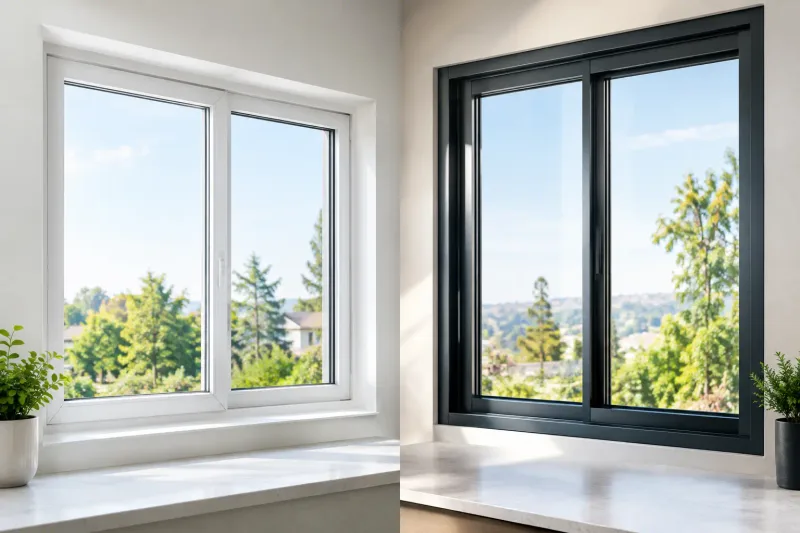
Fixed picture windows are often selected where a clear, expansive view is the priority. They can bring in substantial natural light and provide a clean, modern appearance. Casement windows offer ventilation and a tighter compression seal when closed, while single-hung and horizontal roller styles can fit more traditional elevation designs and replacement projects. Awning windows are useful where ventilation is desired with a compact opening, such as bathrooms or areas beneath roof overhangs.
The best choice depends on more than style. Egress needs, opening size, sightlines, airflow, room use, and structural conditions should all be reviewed. A large fixed unit may maximize a view, for example, but a bedroom may need an operable opening that meets egress requirements. In a high-rise or a tightly controlled HOA community, approved colors, profiles, and exterior appearance may narrow the available options.
Glass choices deserve equal attention
Glass is one of the most consequential selections in an impact-window project. Tint, Low-E coating, insulation, privacy, and decorative finishes all influence how the space feels and performs. A darker tint may reduce glare in a sun-exposed room, but it can also change the appearance of the façade and reduce visible light. Clear glass may preserve a brighter interior and sharper view, while specialty glass can provide privacy in bathrooms, entry areas, or close-set properties.
The right recommendation should reflect the direction each opening faces, not a one-size-fits-all package. West-facing glass may need a different solar-control strategy than a shaded north elevation.
Why Installation and Permitting Matter as Much as the Product
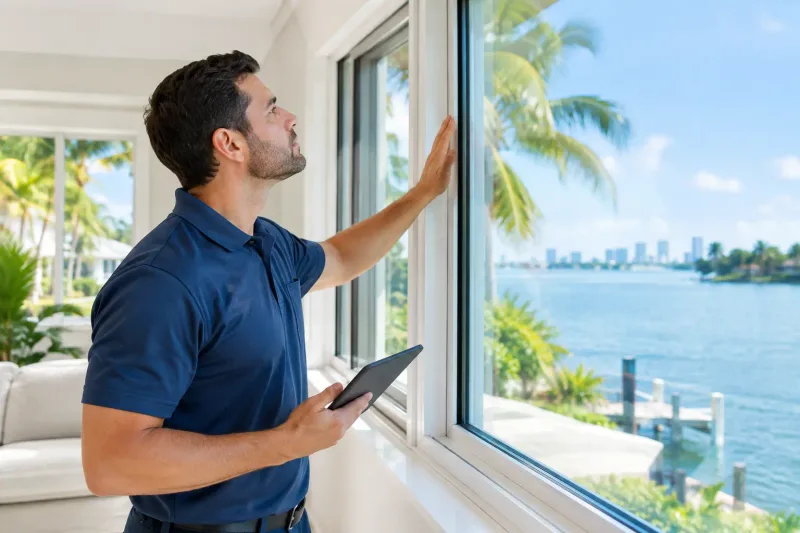
Even premium CGI Windows cannot deliver their tested performance if they are installed incorrectly. Impact systems depend on accurate field measurements, correct opening preparation, approved fasteners, proper anchoring patterns, compatible sealants, and careful flashing details. A poor installation can lead to water intrusion, operational problems, failed inspections, or compromised storm performance.
South Florida projects also involve a web of administrative requirements. Depending on the property and jurisdiction, the project may require engineering review, permit submittals, notice of commencement documentation, inspections, and HOA or condominium approval. These are not side tasks. They are essential parts of a code-compliant installation.
A full-service contractor should manage the process from consultation through permit closure. That includes evaluating existing openings, confirming product approvals, coordinating selections, submitting permits, removing old windows responsibly, protecting the work area, completing installation, and leaving the property clean. For owners, this reduces the chance that product decisions, paperwork, and field execution become disconnected.
At Avrax Impact Windows & Doors, this approach is built around project accountability: helping clients match CGI products to their property, local code requirements, and long-term goals while coordinating the installation process from start to finish.
Comparing CGI Windows With Other Impact Options
CGI is one of several strong impact-window brands available to South Florida owners. The best manufacturer for a project depends on the needed design pressures, desired frame profile, budget, available lead times, glass preferences, and architectural requirements. A product that is excellent for a single-family home may not be the right specification for a condominium tower or a commercial storefront.
Price comparisons should also be handled carefully. Two quotes can look similar at first glance while covering very different glass packages, installation scopes, permit responsibilities, trim details, or warranty support. Lower pricing may reflect a smaller scope rather than equal protection. Ask whether the proposal identifies the exact series, glass configuration, applicable approvals, removal and disposal, interior and exterior finishing, permit work, and inspection coordination.
Replacement conditions matter, too. Older homes can reveal concealed wood deterioration, uneven masonry, or nonstandard opening sizes once existing units are removed. A trustworthy contractor explains how these conditions will be addressed instead of treating them as an afterthought.
Planning a CGI Window Replacement Project
Start with a room-by-room review of what is not working today. Some owners are primarily concerned about hurricane safety. Others want to replace corroded frames, reduce exterior noise, improve energy efficiency, or update worn sliding doors and entry systems at the same time. Identifying priorities early helps guide the right series and glass selections.
Next, consider the project as a long-term property investment. Impact windows may improve daily comfort, curb appeal, security, and marketability, but their greatest value is confidence that the building is better prepared when conditions turn severe. Financing can make a major replacement more manageable, yet the scope should still be based on appropriate protection and installation quality, not only the lowest monthly number.
A detailed estimate and on-site consultation create the clearest path forward. Bring HOA guidelines, previous inspection reports, concerns about specific rooms, and photos of problem areas to the conversation. The more accurately the project is defined before ordering, the more controlled the installation can be.
CGI Windows can be a refined, high-performing answer to South Florida’s hurricane exposure when they are selected for the right opening and installed with discipline. The most useful next step is to have a qualified professional evaluate your property before the next storm season turns a careful decision into an urgent one.